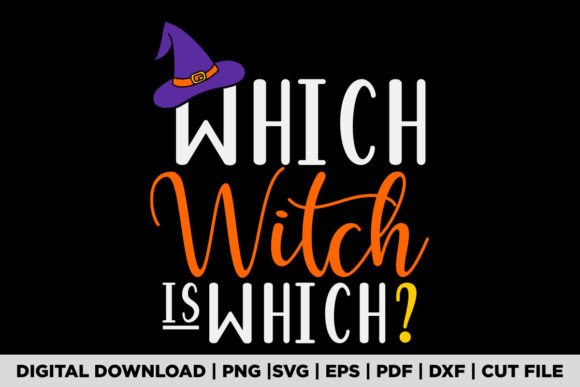
Review: Funny Grammar Halloween Teacher Tee Design
As an embroidery designer who spends more time staring at stitch maps than I care to admit, I approach every new machine embroidery design with a mix of curiosity and caution. We have all been there: you download a cute graphic, load it onto your machine, and watch in horror as the thread bunches up or the details vanish into the fabric. That is why I took a close look at the Funny Grammar Halloween Teacher Tee design before committing it to a client project. This isn’t just about whether it looks good on a screen; it is about how it performs under the needle.
First Impressions and Visual Personality
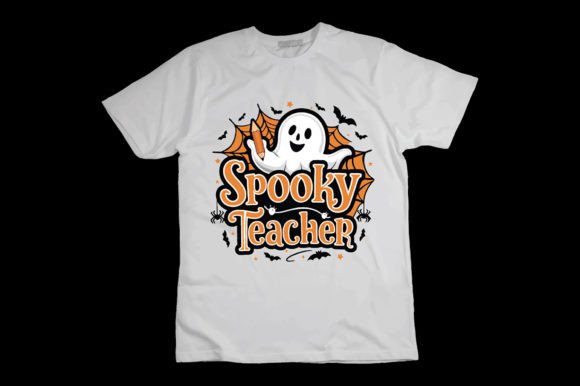
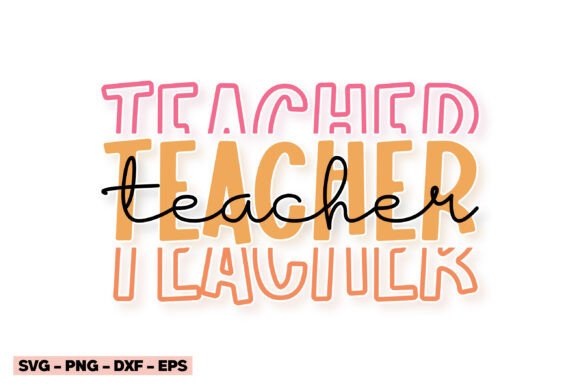
The first thing that strikes me about this design is its clever fusion of two very distinct audiences: educators who love language precision and those who embrace the spooky season. The layout feels balanced, avoiding the clutter that often plagues holiday-themed graphics. For a designer, this clarity is crucial. When we talk about T-Shirt Designs, we are often dealing with limited real estate, especially on adult tees or youth apparel. The visual personality here is playful but structured, which suggests it will translate well into stitch work without losing its core message.
The mood is lighthearted, making it an ideal candidate for personalized gifts or small shop merchandise. It does not scream for attention with overly complex shading, which is a relief. In embroidery, simplicity often equals durability. A design that relies on clean lines and clear shapes tends to hold up better after multiple washes compared to one filled with microscopic details. This design seems to understand that balance, offering enough visual interest to be engaging while remaining practical for production.
Real-World Application: The Sweatshirt Test
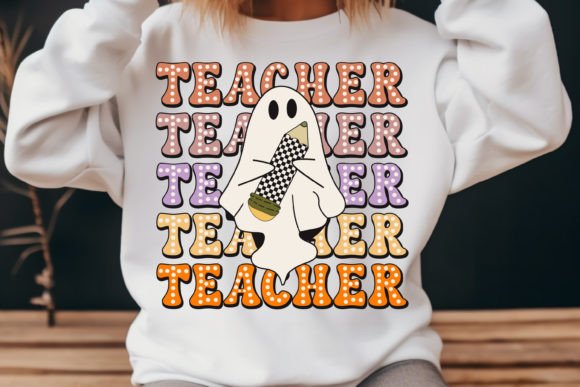
To truly evaluate an embroidery file, you have to imagine it on a actual product. I recently considered using this design for a custom order of teacher appreciation sweatshirts. The client wanted something unique for October, moving away from the standard pumpkins and ghosts. The Funny Grammar Halloween Teacher Tee fit the brief perfectly. However, applying it to a fleece-lined sweatshirt requires careful planning.
Sweatshirts have a textured, often thick surface. If the design relies too heavily on fine running stitch outlines, they can get lost in the pile of the fabric. Conversely, if the stitch density is too high, the garment can become stiff and uncomfortable. In my assessment, this design’s structure allows for a robust application. I would recommend using a cut-away stabilizer to support the weight of the stitches, ensuring the design lays flat and does not pucker the heavy cotton blend. The result was a professional-looking piece that felt substantial without being rigid.
Versatility Across Product Lines
Beyond sweatshirts, this design shows promise across various categories. For an Etsy seller or craft business owner, versatility is key to maximizing ROI on digital assets. Here is where I see potential:
- Tote Bag Design: The bold nature of the graphic works well on canvas totes. The flat surface of a tote bag is forgiving, allowing the stitches to pop against the woven texture.
- Embroidered Patch: If you are creating iron-on patches, this design could be scaled down effectively. Patches require dense stitching to prevent fraying edges, so checking the border integrity is essential.
- Holiday Embroidery Decor: Imagine this stitched onto a pillow cover or a kitchen towel. It adds a seasonal touch that is specific to a profession, making it a highly giftable item for colleagues.
However, context matters. While it is labeled under Graphics and T-Shirt Designs, its application in commercial embroidery extends to aprons for school staff rooms or even branded merchandise for local bookstores. The key is matching the thread colors to the fabric. On a dark navy shirt, you will need high-contrast thread colors to ensure readability. On a light heather gray, you can play with subtler tones, but legibility must remain the priority.
Technical Considerations and Potential Pitfalls
No design is perfect for every scenario. There are specific situations where you should use the Funny Grammar Halloween Teacher Tee with caution. As a reviewer, I always look for the "breaking points" of a design.
Small Hoop Sizes: If you are working with a 4x4 inch hoop, you may need to scale the design down significantly. Be wary of tiny lettering. In embroidery, text smaller than a quarter-inch can become illegible, turning into a blob of thread. Always check the smallest elements of the design. If the grammar jokes rely on small punctuation marks or fine serifs, they might not survive the scaling process.
Stretchy Fabrics: Applying this to a stretchy jersey knit for a t-shirt requires a stable foundation. Without proper stabilization, the design will distort when the wearer moves. I always recommend testing on scrap fabric first. This is not just a suggestion; it is a necessity. Check how the satin stitch borders behave on stretch material. If they pull too tight, you may need to adjust your tension settings or switch to a lighter weight stabilizer.
Curved Surfaces: Caps and hats present a different challenge. The curvature of a cap panel can distort wide designs. If you plan to put this on a dad hat or baseball cap, ensure the width fits within the usable area of the cap frame. You might need to split the design or simplify it to fit the narrow profile of a hat front.
Enhancing Value and Brand Consistency
For handmade product sellers, the quality of your embroidery directly impacts customer trust. A clean, well-stitched design signals professionalism. The Funny Grammar Halloween Teacher Tee offers a niche appeal that can help build brand consistency for shops focusing on educational or literary themes. It is not just a generic Halloween item; it speaks to a specific identity.
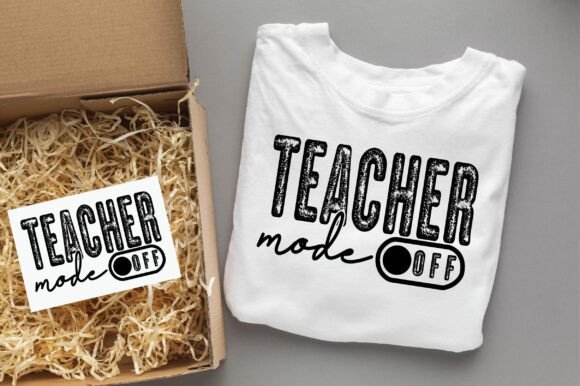
When creating printable mockups for your online listings, ensure the digital representation matches the stitched reality. Use high-quality photos of the finished product on various fabric textures. Show the design on a cozy sweater, a crisp tote, and a classic tee. This helps buyers visualize the finished product and increases buyer engagement. Remember, customers are buying the feeling of wearing or gifting the item, not just the thread count.
Practical Designer Notes for Execution
Before you start stitching, take a moment to review the technical specs provided in the zip folder. You will get PNG, SVG, EPS, DXF, and PDF files. While these are great for printing or cutting, remember that for machine embroidery, you need the correct digitized file format compatible with your machine (such as PES, DST, or JEF). The description mentions graphic files, so ensure you have the actual embroidery data file if you intend to stitch it directly. If this is a print-on-demand graphic, the advice shifts to print resolution and color separation.
Assuming you are digitizing or using a converted file, here is my checklist:
- Test Stitch Density: Run a test on similar fabric to your final product. Check for puckering.
- Thread Color Contrast: Choose threads that stand out against the background. Avoid low-contrast combinations like light gray on white.
- Inspect Small Details: Zoom in on the digitized version. Are there unnecessary jump stitches? Are the connections secure?
- Confirm Licensing: Always verify the license terms for commercial use. Can you sell finished items? Can you share the digital file? Clarity here protects your business.
- Mockup Testing: Create black and white mockups to check value and contrast before committing to colorful threads.
In conclusion, the Funny Grammar Halloween Teacher Tee is a strong contender for your autumn catalog. It balances humor with professionalism, making it suitable for a wide range of custom apparel and gift items. By respecting the technical limitations of embroidery and choosing the right materials, you can turn this digital asset into a high-quality physical product that customers will love. Happy stitching!